De-Oiled Rice Bran (DORB) in Cattle Feed
By Vrap · Published Mon May 18 2026 00:00:00 GMT+0000 (Coordinated Universal Time) · Updated Mon May 18 2026 00:00:00 GMT+0000 (Coordinated Universal Time)
What is DORB?
DORB — De-Oiled Rice Bran — is the solid residue left over after solvent-extraction plants remove oil from full-fat rice bran. It is one of the most widely used and most economical raw materials in Indian cattle feed. The current India market price for DORB is updated daily on our DORB price page.
The supply chain is straightforward:
- Rice mills polish paddy into white rice. The bran layer that comes off is full-fat rice bran (FFRB) containing 14–20% oil.
- Solvent-extraction plants — concentrated heavily in North India — buy FFRB, use hexane to extract the oil, and recover refined-grade rice bran oil for the edible-oil industry.
- The remaining defatted residue, with less than 2% oil, is DORB. This is sold to compound cattle feed mills, aquaculture feed manufacturers, and directly to dairy farmers.
DORB is a true by-product — the price reflects that it costs the producer almost nothing once the oil has been extracted, so DORB consistently trades cheaper per kilogram than maize, soybean meal, or any oilseed cake.
DORB vs Full-Fat Rice Bran: don't confuse the two
| Parameter | Full-Fat Rice Bran (FFRB) | De-Oiled Rice Bran (DORB) |
|---|---|---|
| Crude protein | 12–14% | 16–17% |
| Crude fat | 14–20% | < 2% |
| Crude fibre | 8–12% | 12–14% |
| TDN | 70–75% | 55–60% |
| Best use | High-energy ration ingredient, especially for lactating buffalo | Bulk energy + protein source, pellet binder |
| Storage stability | Poor — fat rancidity in 2–3 weeks | Good — months with proper storage |
| Price per kg | ~1.5–2× the price of DORB | The baseline by-product price |
If a lactating buffalo ration calls for a fat-rich energy source, the right choice is FFRB. If the ration calls for bulk and moderate protein at the lowest possible cost, DORB is the answer. Both come from the same starting material — but they are very different ingredients in practice.
Nutritional profile
Typical specification of commercial-grade DORB sold in Indian wholesale markets:
| Parameter | Specification |
|---|---|
| Moisture | 9–10% |
| Crude protein | 16–17% |
| Crude fat | under 2% (often reported as N/A) |
| Crude fibre | 12–14% |
| Total ash | 8–10% |
| Acid insoluble ash | 0–2.5% (max) |
| Aflatoxin B1 | 0–50 ppb (supplier spec) |
| Colour | Light to dark brown |
| Odour | Fresh, cereal-like, bran-like |
| TDN | 55–60% |
| Calcium | 0.07% |
| Phosphorus | 1.5–1.7% (mostly phytate-bound) |
Two parameters deserve attention. Phosphorus is unusually high at 1.5–1.7%, but most of it is bound as phytate, which monogastrics cannot fully use. Ruminants can release some of this phytate-phosphorus via rumen microbial phytase, making DORB a moderate phosphorus contributor for cattle and buffalo.
Acid insoluble ash (AIA) is the most important quality marker. Pure DORB AIA stays below 2.5%. Values higher than that indicate contamination — typically sand, soil, paddy husk, or sawdust added by unscrupulous suppliers to bulk up tonnage. The AIA test is cheap, fast, and effectively impossible to fake.
Why DORB is the main raw material in compound feed pellets
In Indian compound cattle feed manufacturing, DORB is typically the single largest ingredient by weight in pelleted products. Four reasons:
- Cost. DORB is the cheapest digestible feed ingredient widely available. Using DORB as the bulk component lets the formulator hit cost targets while spending money where it matters (protein, fat, minerals).
- Natural pellet binder. The residual starch and gums in DORB act as a natural binder during pellet extrusion. Pellets made with 20–30% DORB hold together well without needing expensive added binders.
- Moderate nutrition. At 16–17% protein and 55–60% TDN, DORB carries its own weight nutritionally. It isn't a "filler" — it actively contributes to the energy and protein in the final feed.
- Bulk and texture. Compound feed needs physical bulk to be cost-effective per kilogram delivered. DORB provides that bulk affordably.
Typical pelleted compound cattle feed formula:
| Ingredient | % of formula |
|---|---|
| DORB | 20–30% |
| Maize / cereal grains | 15–25% |
| Soybean meal / cottonseed cake | 15–25% |
| Wheat bran | 10–15% |
| Molasses | 3–5% |
| Mineral mixture | 2% |
| Salt | 1% |
| Other (premix, additives) | 1–2% |
The same formula in the mash, pellet, or dal-style compound feed all use DORB as the bulk anchor.
Inclusion rates by animal and life stage
These ranges apply when DORB is being added directly to farm-mixed concentrate (not already as part of a compound feed). For farms feeding ready-made compound pellets, the DORB inclusion is already built into the formula.
| Animal / stage | DORB in concentrate mix | Notes |
|---|---|---|
| Lactating cow | 15–25% | Pairs well with soybean meal and maize |
| Lactating buffalo | 15–20% | Use lower end and supplement fat from cottonseed cake or bypass fat (DORB itself has very little fat) |
| Calf starter (3–6 months) | 10–15% | Lower fibre tolerance in young animals; keep inclusion modest |
| Heifers | 15–25% | Excellent maintenance ingredient |
| Dry cow / dry buffalo | 15–25% | Bulk ingredient that prevents over-conditioning |
| Adult sheep / goat | 15–20% | Well-tolerated; cheaper than competing options |
| In compound pellet formulas | 20–30% | Higher inclusion for pellet binding + cost reasons |
Use our ration cost calculator to see how shifting DORB inclusion changes the per-kilogram cost of your ration with current India prices. To check the DCP and TDN of a DORB-heavy ration, use the DCP and TDN calculator.
Where DORB is produced in India
DORB production follows the geography of rice milling. India's largest rice-milling regions are concentrated in the north and east:
| State | Role in DORB supply |
|---|---|
| Uttar Pradesh | The single largest producer; major mills around Bareilly, Lakhimpur, Pilibhit, and the eastern UP belt |
| Punjab | Large-scale paddy milling supports significant DORB output |
| Haryana | Smaller than UP and Punjab but consistent supply to north Indian feed mills |
| West Bengal | Major rice state; eastern India's primary DORB source |
| Andhra Pradesh & Telangana | Telugu states are big rice producers; combined DORB output is substantial |
| Chhattisgarh & Odisha | Smaller but growing solvent-extraction capacity |
| Bihar | Local rice milling supports local DORB supply |
For buyers in cotton-belt states (Maharashtra, Gujarat) or southern dairying states (Karnataka, Tamil Nadu), DORB usually arrives by truck from northern or eastern producing belts. Freight is meaningful — the per-kilogram price is low enough that transport cost matters.
Quality standards: what to check before buying
A reputable Certificate of Analysis (CoA) for DORB should reference the BIS animal feed analysis methods (IS:7874) and should report at minimum:
| Parameter | Acceptable specification |
|---|---|
| Crude protein (min) | 16% |
| Crude fibre (max) | 14% |
| Moisture (max) | 10% |
| Total ash (max) | 10% |
| Acid insoluble ash (max) | 2.5% (the adulteration check) |
| Aflatoxin B1 (max) | 20 ppb for dairy cattle feed (BIS / FSSAI); some commercial specs allow up to 50 ppb |
| Colour | Light to dark brown |
| Odour | Fresh, cereal-like, bran-like |
The 50 ppb aflatoxin B1 limit some suppliers quote is NOT acceptable for dairy cattle feed. The BIS / FSSAI ceiling for feed intended for dairy animals is 20 ppb. If the CoA shows a value between 20 and 50 ppb, the lot is suitable for non-dairy livestock or aquaculture, but not for dairy cattle whose milk goes to a processor.
Visual + smell checks before accepting delivery:
- Colour: uniform light-to-dark brown. Greyish white = sawdust adulteration. Black patches = mould or heat damage = reject
- Smell: fresh, cereal/bran-like. Sour, mouldy, or chemical (solvent) smells = reject
- Texture: fine to medium particle size, free-flowing when dry. Clumpy or damp material = mould risk
- Visible foreign matter: look for husk fragments (long fibrous pieces) or sand grains
- Float test (quick farm check): put a small sample in water. Pure DORB will mostly suspend or sink slowly. Adulterated DORB with sand will quickly drop sand to the bottom; with sawdust, light material will float visibly
The adulteration problem
DORB is one of the most commonly adulterated feed ingredients in India because:
- It's a low-price commodity, so small percentage adulteration is hard to spot
- Its appearance (light-to-dark brown powder) easily disguises added paddy husk, sawdust, or fine sand
- Many small traders aggregate from multiple mills and have an incentive to bulk up tonnage
Common adulterants:
| Adulterant | Detected by |
|---|---|
| Sand / soil | Acid insoluble ash > 2.5% |
| Paddy husk (whole or ground) | Visual inspection; crude fibre > 14%; acid insoluble ash also rises |
| Sawdust | Float test; crude fibre > 14%; non-cereal smell |
| Spent rice bran from oil mills (over-extracted) | Lower protein than specification; crude fibre normal |
The AIA test is the single best defence. Make every DORB lot you buy come with a CoA that reports AIA, and reject lots above 2.5%.
Aflatoxin: the silent risk
Rice bran is naturally susceptible to Aspergillus flavus contamination during storage of paddy or rice bran before oil extraction. Aflatoxin B1 — the most toxic of the aflatoxins — can carry through into DORB.
Why this matters for dairy:
- Aflatoxin B1 in feed converts to aflatoxin M1 in milk
- FSSAI limit for milk aflatoxin M1: 0.5 µg/kg
- Even sub-acute aflatoxin levels reduce milk yield, hurt reproductive performance, and depress feed conversion
- A contaminated lot of DORB used at 20% of concentrate can push the entire ration's aflatoxin load into unsafe territory
Defences:
- Buy from established mills with reliable storage practices
- Insist on CoA aflatoxin B1 ≤ 20 ppb for dairy use
- During monsoon (June–September) be extra cautious — humidity-driven mould risk rises
- Consider aflatoxin binders (clay-based, yeast cell wall) in monsoon-sourced DORB
Storage best practices
DORB stores reasonably well compared with full-fat rice bran (because the oil has been removed, rancidity is not a major issue). Standard discipline:
- Off-floor stacking on wooden or plastic pallets
- Bag stacking maximum 12–15 high
- Humidity below 70% relative humidity; tarp during monsoon if storage isn't air-tight
- FIFO rotation to prevent old stock degrading at the back
- Pest control — DORB attracts rodents and insects; standard fumigation cycle is appropriate
- Buffer time — 2–4 months is comfortable; beyond 6 months, expect aflatoxin and bug load to rise
Conclusion
DORB is the workhorse of Indian compound cattle feed manufacturing — the largest single ingredient in most pelleted formulas, and a staple of farm-mixed concentrates in dairy operations across the country. At 16–17% protein, 12–14% fibre, less than 2% fat, and the cheapest price per kilogram of any common cattle feed ingredient, DORB delivers nutrition and bulk at a cost no other ingredient can match.
The discipline is in quality. Always check the Certificate of Analysis for crude protein, crude fibre, and especially acid insoluble ash (≤ 2.5%). For dairy use, insist on aflatoxin B1 ≤ 20 ppb. Source from established mills in the rice-growing belts of UP, Punjab, Haryana, West Bengal, AP, and Telangana. Done right, DORB will be the most cost-effective ingredient in your ration. Done carelessly, it can also be the single biggest food-safety risk.
Frequently asked questions
What is DORB and how is it different from regular rice bran?+
What is the typical nutritional specification of DORB?+
Why is DORB the main raw material for cattle feed pellets?+
Where is DORB produced in India?+
What is the right inclusion rate of DORB in cattle feed?+
How do you test if DORB has been adulterated?+
Related articles
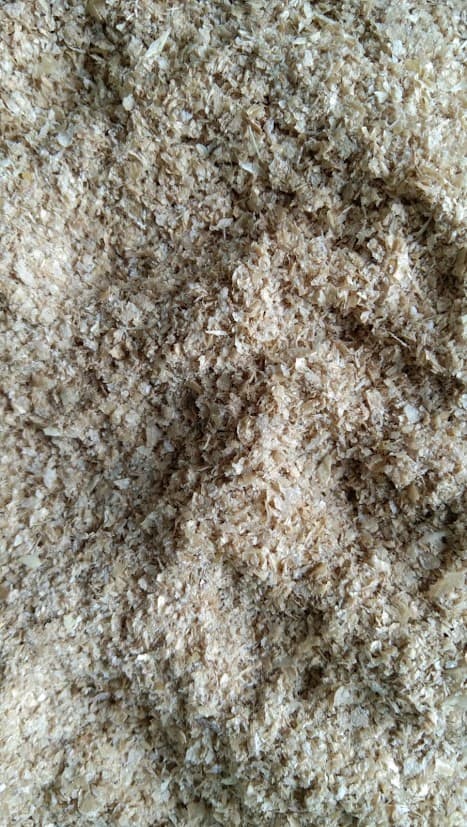
Wheat Bran (Gehu Chokar) in Cattle Feed
Complete guide to wheat bran (gehu chokar) in Indian cattle feed: the three types (fine, super fine, coarse), 15% protein, why wheat bran is losing share to DORB in pellets, regional price and form variations.
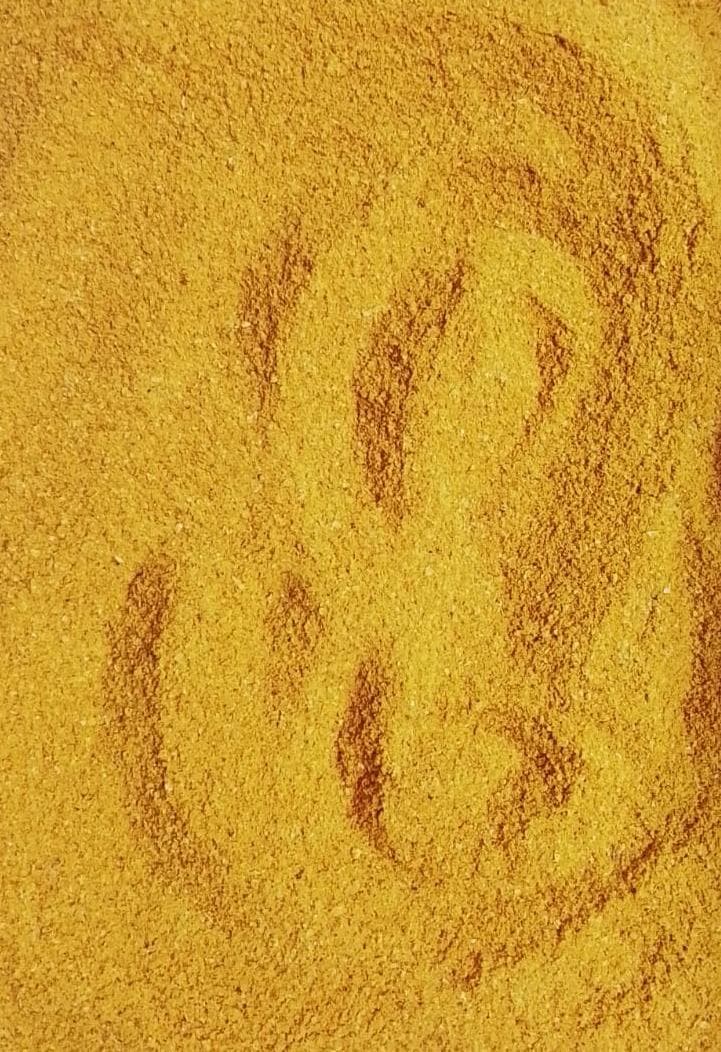
Maize DDGS, Rice DDGS and Maize DOC in Cattle Feed
Complete guide to DDGS in Indian cattle feed: Maize DDGS (28-30% protein, 8-10% fat), Rice DDGS (45% protein), Maize DOC (de-oiled, <2% fat). What different DDGS colours mean for quality, the critical aflatoxin risk, and inclusion rates.
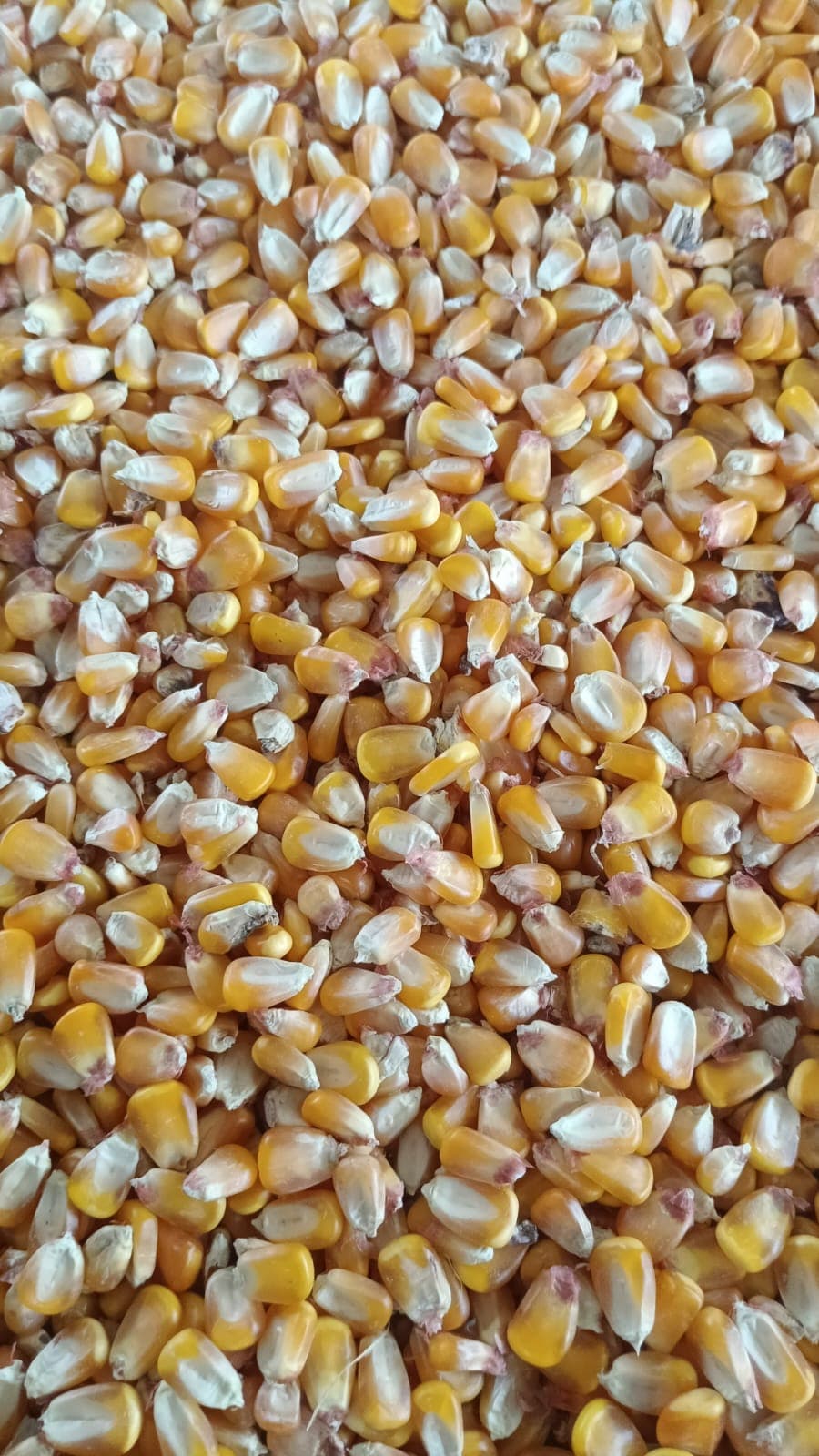
Maize as Cattle Feed
Complete guide to maize in Indian cattle feed: protein and starch profile, the 10–35% inclusion rate, moisture and aflatoxin limits, acidosis prevention, processing, and storage.